The story of the investment
$1.4B into New Hampshire's water infrastructure
1,191 awards between 2015 and 2026, reaching 181 of 259 communities. Every figure on this page is drawn from the same public records as the rest of the site, and every chart links to the projects behind it.
1. The problem is measured, not asserted
Every few years New Hampshire reports to the federal government what its water infrastructure needs over the next twenty years. Those submissions are what Congress and the Legislature use when they set budgets. The last two put the total at $6.7B: $4.3B for clean water and $2.5B for drinking water.
The clean water figure has grown 75% since 2012, from $2.5B to $4.3B. That is $3,112 for every resident of the state, one of the highest per-person figures in the country.
- Reported 20-year need
- $6.7B
- Clean water and drinking water
- Funded in this record
- $1.4B
- 2015 to 2026
- Share of reported need
- 20%
- $5.4B not yet funded
The two surveys use different base years and methods, so they are shown together to indicate scale rather than as a single accounting figure. Sources and basis.
2. What has been invested
$1,363,637,243 has been committed across 1,191 awards. $417M of that is grants and loan forgiveness, money that is not repaid. $947M is low-interest lending that communities repay, which returns to the revolving funds and pays for the next round of projects. $215M came from the Bipartisan Infrastructure Law.
Other (12 types) combines Planning and asset management ($24M), Stormwater ($20M), Drinking water and wastewater ($15M), Source water protection ($12M), Lead remediation ($10M), Dams ($6.9M), Other water infrastructure ($5.5M), Energy efficiency ($4.3M), Watershed and monitoring ($3.4M), Flood resilience ($2.8M), Private well assistance ($2.8M), Cybersecurity ($1.7M).
Show these flows as a table
| Program | Project type | Amount |
|---|---|---|
| Clean Water State Revolving Fund | Wastewater and clean water | $631,729,206 |
| Drinking Water State Revolving Fund | Drinking water | $223,697,359 |
| Drinking Water and Groundwater Trust Fund | Drinking water | $217,623,742 |
| Program not stated | Drinking water | $60,341,253 |
| American Rescue Plan Act | Wastewater and clean water | $34,121,039 |
| PFAS Remediation Loan Fund | PFAS remediation | $20,669,024 |
| American Rescue Plan Act | Drinking water | $18,133,005 |
| Clean Water State Revolving Fund | Stormwater (in Other) | $16,070,303 |
| Clean Water State Revolving Fund | Planning and asset management (in Other) | $14,994,640 |
| American Rescue Plan Act | Drinking water and wastewater (in Other) | $14,815,297 |
| Drinking Water and Groundwater Trust Fund | PFAS remediation | $13,453,250 |
| Program not stated | Wastewater and clean water | $13,008,400 |
| American Rescue Plan Act | PFAS remediation | $12,205,834 |
| Drinking Water and Groundwater Trust Fund | Source water protection (in Other) | $11,235,432 |
| Drinking Water State Revolving Fund | PFAS remediation | $6,335,000 |
| American Rescue Plan Act | Dams (in Other) | $5,558,934 |
| Program not stated | Other water infrastructure (in Other) | $5,485,967 |
| Drinking Water State Revolving Fund | Lead remediation (in Other) | $4,970,000 |
| Program not stated | Planning and asset management (in Other) | $4,705,227 |
| Program not stated | Lead remediation (in Other) | $3,942,000 |
| American Rescue Plan Act | Planning and asset management (in Other) | $3,476,550 |
| Clean Water State Revolving Fund | Energy efficiency (in Other) | $3,295,416 |
| Program not stated | Stormwater (in Other) | $3,035,103 |
| Clean Water State Revolving Fund | Watershed and monitoring (in Other) | $2,833,000 |
| American Rescue Plan Act | Flood resilience (in Other) | $2,782,016 |
| Program not stated | PFAS remediation | $2,312,502 |
| Drinking Water and Groundwater Trust Fund | Lead remediation (in Other) | $1,555,779 |
| Program not stated | Private well assistance (in Other) | $1,500,000 |
| Program not stated | Dams (in Other) | $1,294,626 |
| Drinking Water and Groundwater Trust Fund | Private well assistance (in Other) | $1,281,441 |
| Program not stated | Source water protection (in Other) | $1,020,788 |
| American Rescue Plan Act | Cybersecurity (in Other) | $891,961 |
| Program not stated | Cybersecurity (in Other) | $820,762 |
| American Rescue Plan Act | Stormwater (in Other) | $809,587 |
| Drinking Water and Groundwater Trust Fund | Wastewater and clean water | $731,750 |
| Drinking Water and Groundwater Trust Fund | Planning and asset management (in Other) | $680,000 |
| American Rescue Plan Act | Energy efficiency (in Other) | $512,100 |
| Drinking Water State Revolving Fund | Wastewater and clean water | $500,000 |
| Program not stated | Energy efficiency (in Other) | $491,700 |
| American Rescue Plan Act | Watershed and monitoring (in Other) | $300,000 |
| Program not stated | Watershed and monitoring (in Other) | $239,240 |
| Drinking Water and Groundwater Trust Fund | Drinking water and wastewater (in Other) | $178,010 |
The largest single program is Clean Water State Revolving Fund at $669M. The largest single award is City of Portsmouth in Portsmouth, $80,883,042. The smallest is Winnipesaukee River Basin Project at $442, which is the point: this record covers a state contract for a city treatment plant and a grant to a village district with a few hundred residents, in the same list.
3. Where it went
181 of New Hampshire's 259 towns and cities have at least one funded project. Switch the map to funding per resident to see a different picture from the totals: small communities that host a treatment plant or replace a well carry a far larger cost per person than a city does.
| Name | Funding |
|---|---|
| Executive Council District 3 | $384M |
| Executive Council District 1 | $344M |
| Executive Council District 2 | $266M |
| Executive Council District 5 | $215M |
| Executive Council District 4 | $154M |
Council districts matter because every award on this page was approved by the Governor and Executive Council. Each district page lists its own projects and the towns they sit in.
4. Who it reached
$251,942,865 across 151 projects went to water systems New Hampshire classes as disadvantaged communities for State Revolving Fund purposes. That classification is the state's own, recorded in the federal system, and it is available for 175 of the 1,191 awards here.
- To disadvantaged communities
- $252M
- 151 projects
- Lead service lines
- 811
- Recorded across funded systems
- Projects reporting people served
- 523
- Of 1,191 awards
That last figure is the honest weak point in the public record. Most awards state what was bought but not who benefited: no households connected, no people served, no lead lines replaced. The federal records carry some of it; the state's own project descriptions carry almost none. It is the single most valuable field NHDES could start collecting.
5. What it paid for
The largest share went to Wastewater and clean water at $680M, followed by Drinking water at $520M. Below, each tile counts the projects whose own description names that kind of work.
- 157Water or sewer mains$369M in these projects
- 124New or upgraded wells and water sources$106M in these projects
- 116Treatment plant or facility work$522M in these projects
- 114Culverts and stormwater systems$55M in these projects
- 100Planning, feasibility and asset management studies$40M in these projects
- 77Lead service line work$26M in these projects
- 64Pump stations$205M in these projects
- 62PFAS treatment or connections$123M in these projects
- 30Cybersecurity improvements$2.9M in these projects
- 14Dam rehabilitation or removal$8.4M in these projects
Counts are projects whose NHDES description names the work, including design and planning studies for it. A project can appear under more than one heading. Each rule is listed in the methodology.
6. How an award happens
- A community applies to NHDES, which ranks applications on water quality, public health, affordability and readiness. Ranked demand each year is several times what can be funded.
- NHDES offers funding from the program that fits: a revolving fund loan, often with part of the principal forgiven, or a grant from a state or federal program.
- The award goes to the Governor and Executive Council for approval. That approval is the moment it becomes real, and it is the date used throughout this site.
- An agreement is signed, construction follows, and the loan is repaid into the fund for the next project.
- Clean Water State Revolving Fund
- Drinking Water and Groundwater Trust Fund
- Drinking Water State Revolving Fund
- Program not stated
- American Rescue Plan Act
- PFAS Remediation Loan Fund
Grouped by year, the grain every source shares: story map records carry a Governor and Council approval date, EPA records an agreement date, and trust fund records a year. $1,627,600 carries no date and is not shown.
Show these figures as a table
| Year | Projects | CWSRF | DWGTF | DWSRF | OTHER | ARPA | PFAS loan fund | Total |
|---|---|---|---|---|---|---|---|---|
| 2015 | 1 | $640,950 | $640,950 | |||||
| 2016 | 1 | $5,619,530 | $5,619,530 | |||||
| 2017 | 23 | $53,570,600 | $8,157,713 | $61,728,313 | ||||
| 2018 | 31 | $31,552,666 | $8,555,259 | $40,107,925 | ||||
| 2019 | 35 | $36,768,684 | $13,512,080 | $50,280,764 | ||||
| 2020 | 47 | $18,814,010 | $16,363,499 | $23,456,961 | $58,634,470 | |||
| 2021 | 65 | $100,851,267 | $19,782,922 | $11,639,386 | $132,273,575 | |||
| 2022 | 255 | $249,217,087 | $23,239,750 | $30,072,236 | $4,102,500 | $65,389,228 | $9,219,024 | $381,239,825 |
| 2023 | 290 | $90,774,160 | $27,427,814 | $38,890,306 | $26,364,904 | $26,589,495 | $210,046,679 | |
| 2024 | 158 | $99,718,787 | $23,562,525 | $31,988,644 | $21,865,906 | $177,135,862 | ||
| 2025 | 151 | $76,353,586 | $4,898,419 | $35,008,394 | $14,240,037 | $11,450,000 | $141,950,436 | |
| 2026 | 108 | $33,193,668 | $9,572,525 | $27,960,900 | $31,624,221 | $102,351,314 |
Approvals cluster where the money arrived: $244M was approved across 259 awards in the last two years alone.
7. Projects up close
Totals are the argument; individual projects are the evidence. Each of these links to its full record, with the funding breakdown, the approval date and the officials who represent it.
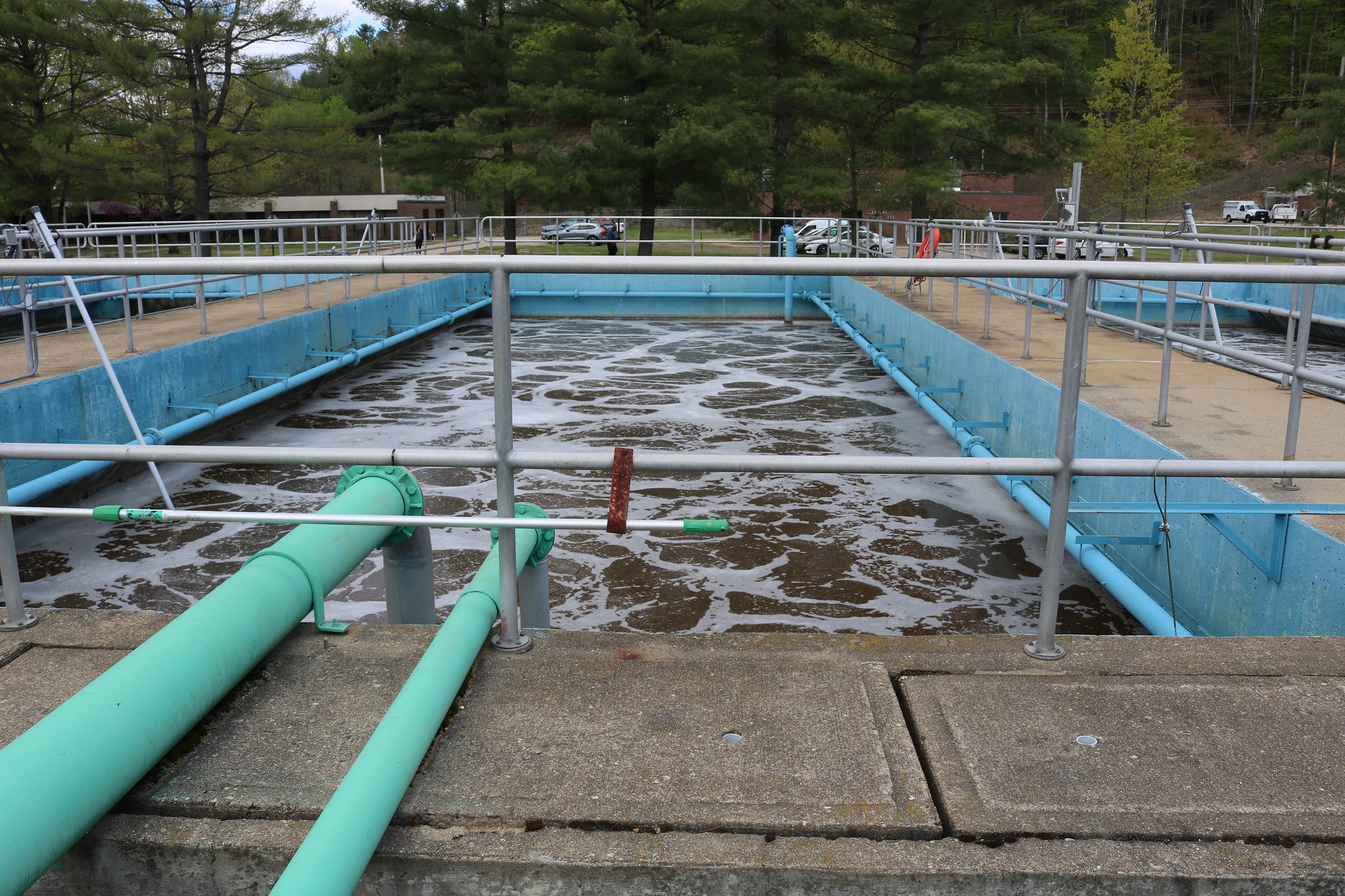
Franklin · Wastewater and clean water · $1,530,000
Winnipesaukee River Basin Program
The WRBP will use the grant and loan funding to replace 10 of the original emergency back-up generators at WRBP pump stations that are past their remaining useful life and are increasingly problematic to repair and maintain.
Approved July 27, 2022. Photograph: NH Department of Environmental Services.
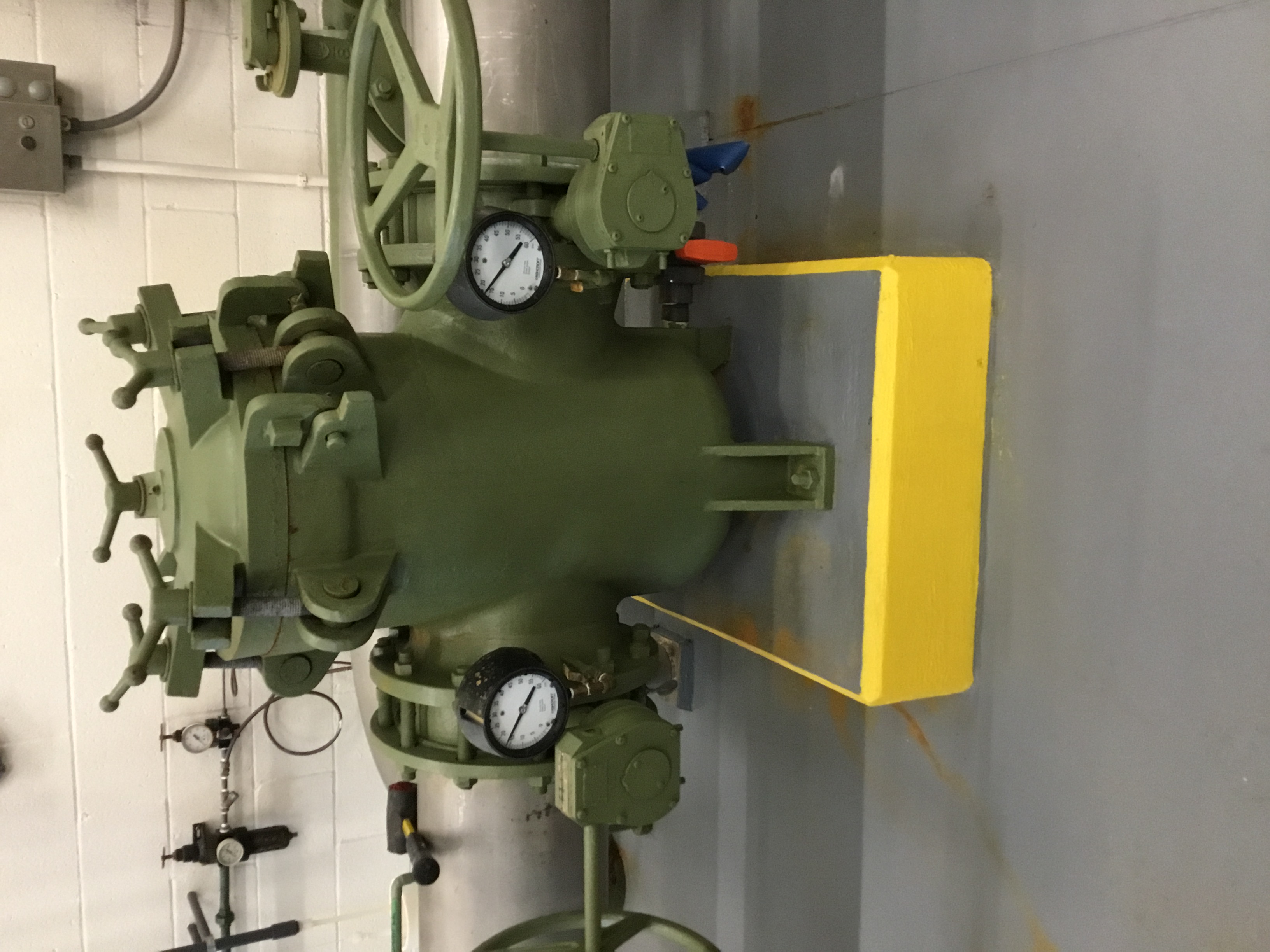
Wolfeboro · Drinking water · $1,470,000
Town of Wolfeboro
The Town will use grant funds to design and construct the rehabilitation/replacement of Water Treatment Plant (WTP) components that are at the end of their useful life. This includes the complete rehabilitation of the two Trident filter treatment units.
Approved June 15, 2022. Photograph: NH Department of Environmental Services.
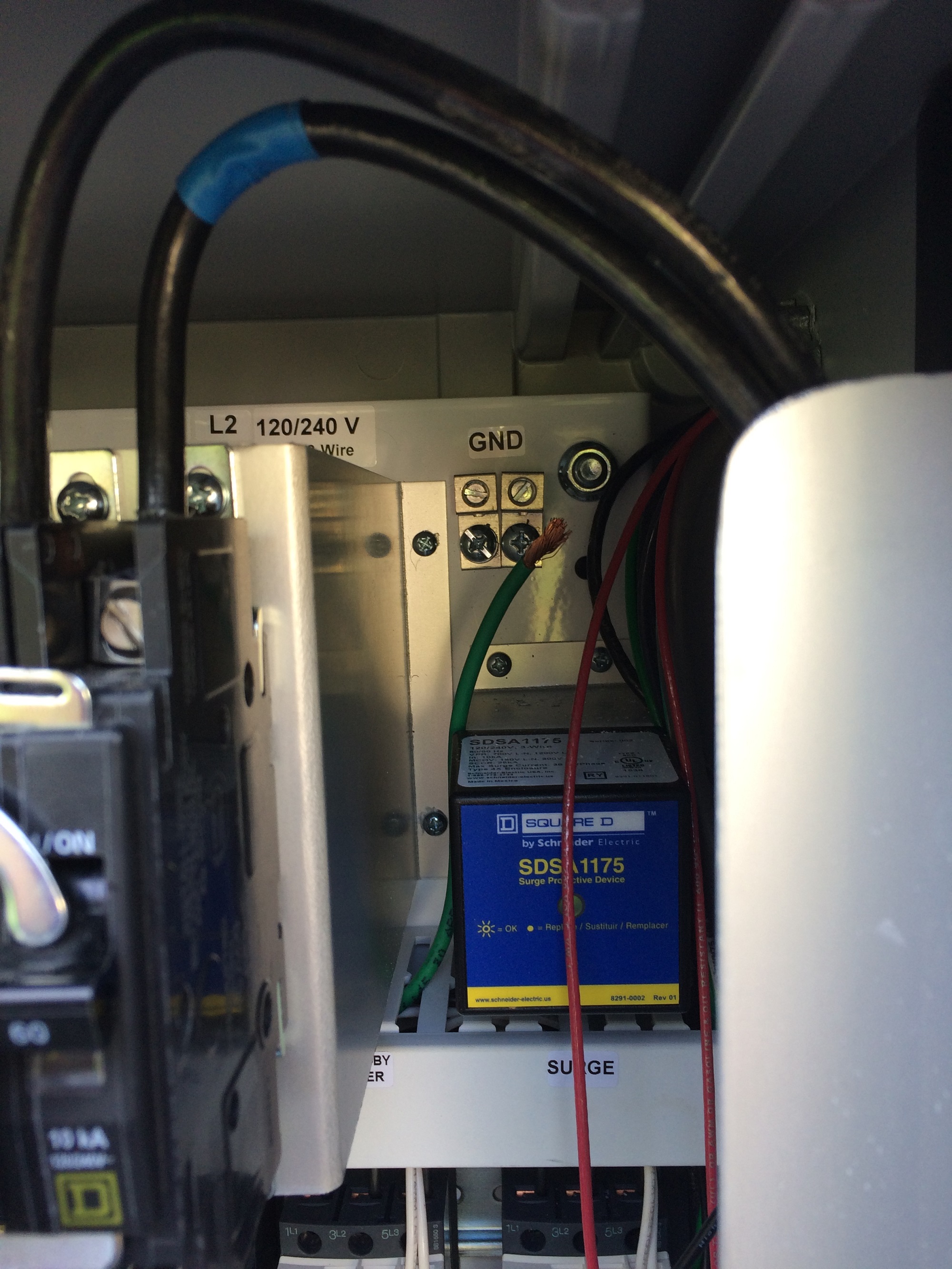
Jaffrey · Wastewater and clean water · $1,300,000
Town of Jaffrey
The funds will be used to make improvements to the sewer on Stratton Road to address inflow and infiltration.
Approved June 29, 2022. Photograph: NH Department of Environmental Services.
Photographs come from NHDES's published records, which carry them for a small number of projects. A production build would show them for every project the department has documented.
8. What is still ahead
Set the $1.4B invested against the $6.7B the state has reported, and roughly $5.4B of identified need remains. Pipes laid a century ago are reaching the end of their lives at the same time as new requirements arrive for lead service lines and for PFAS.
Every number here can be checked. Open the project explorer to filter by community, program, year or type, look up any town or any district, read the methodology, or download the whole dataset.
A note on this prototype. It was built by NovaHawk Labs from public records to show what this could look like. It is not an NHDES website, and NHDES has not reviewed it. The figures are compiled from the department's own published records and federal sources, with every correction and open question listed in the methodology.